If you are looking for a simple, safe and completely free way to enjoy movies and series on your cell phone, tablet or TV, Tubi – Free Movies and Series stands out as one of the best options available in 2026. With an impressive collection, a clean interface, and support for Portuguese subtitles, the app offers access to thousands of titles free of charge. And best of all, it's available for direct download from the official stores:

Tubi: Free Movies & Live TV
Industrial IoT Platforms: Best IIoT Solutions for Manufacturing Companies in 2026
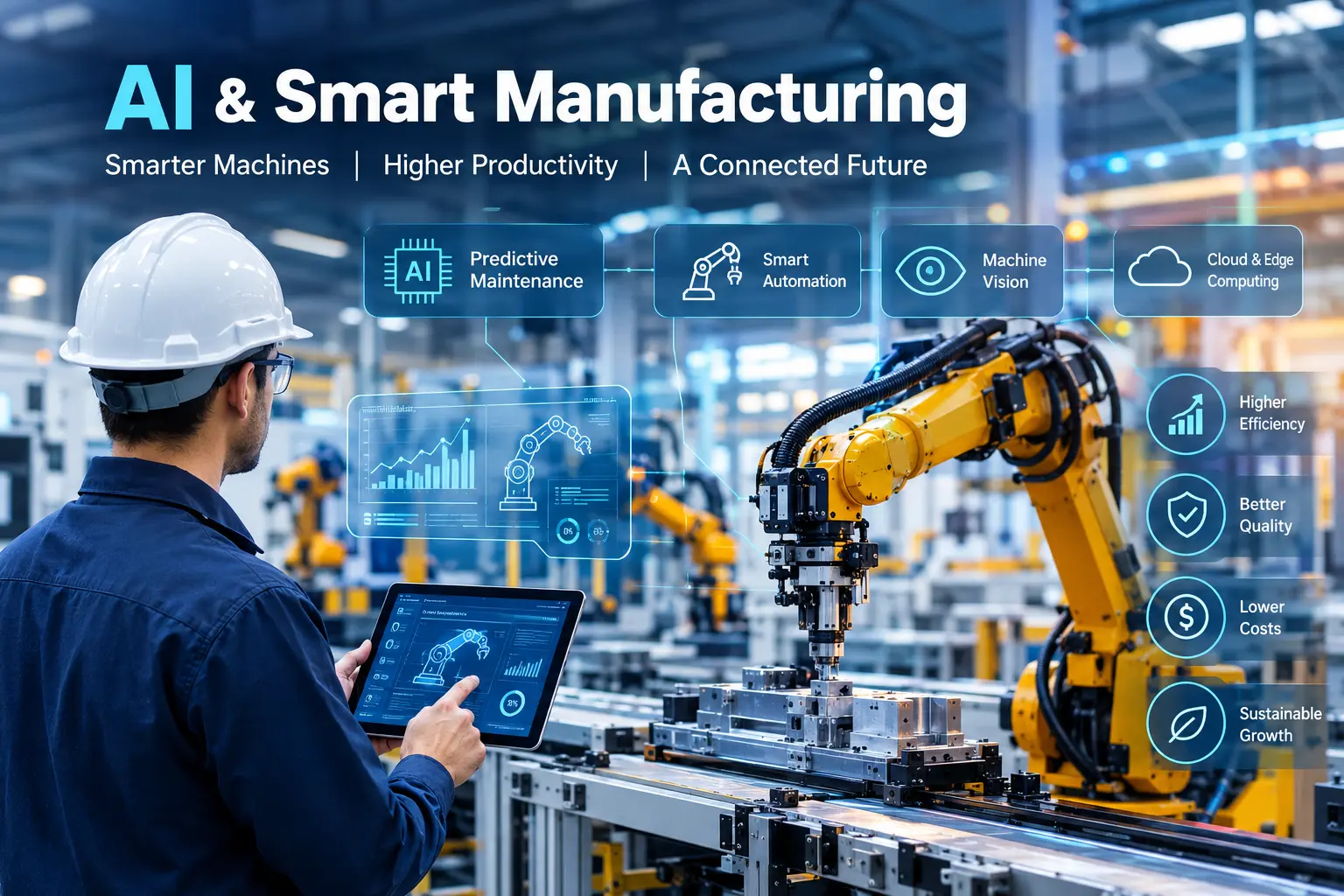
An industrial IoT platform is the connective tissue that turns scattered sensors and machines into a coherent, usable stream of data, and choosing the right one has become one of the more consequential technology decisions a manufacturer makes. Unlike a single point application built for one specific job, such as predictive maintenance or quality inspection, an IIoT platform is meant to be the underlying connectivity and data foundation that many different applications can eventually be built on top of, which means getting this choice wrong can quietly limit a manufacturer's options for years.
The market for these platforms has grown considerably, ranging from massive cloud computing providers offering general purpose IoT services, to specialized vendors built specifically around industrial use cases, to open source options manufacturers can host and customize themselves. This guide walks through what an IIoT platform actually does, the main categories available in 2026, the features that genuinely matter when evaluating one, and a practical process for choosing the right fit for a specific manufacturing operation.
What an Industrial IoT Platform Actually Does
At its core, an industrial IoT platform handles a consistent set of core functions regardless of vendor or category. It manages the connection and onboarding of sensors and devices, ingests the resulting data streams reliably even at high volume, stores that data in a format suited to later analysis, and provides tools for visualizing current and historical conditions through dashboards. Most platforms also provide application programming interfaces that allow other software, such as predictive maintenance models, quality inspection systems, or a facility's broader manufacturing execution system, to access and build on top of the data the platform has collected, which is ultimately what separates a genuine platform from a simple, standalone monitoring tool.
Categories of Industrial IoT Platforms Available in 2026
Hyperscale Cloud IoT Suites
Major cloud computing providers offer general purpose IoT services as part of their broader cloud platforms, providing extensive scalability, a wide range of complementary analytics and machine learning tools, and the advantage of integrating naturally with other cloud services a manufacturer may already use for corporate IT functions. These platforms tend to be highly flexible and powerful, but often require more custom development work to configure specifically for industrial protocols and use cases compared to platforms purpose built for manufacturing from the ground up.
Specialized Industrial IoT Vendors
A growing number of vendors build their platforms specifically around industrial use cases, offering native support for common industrial communication protocols, pre built dashboard templates for common manufacturing metrics, and domain specific features such as machine health scoring or production efficiency calculations out of the box. These platforms typically require less custom development to get running compared to a general purpose cloud IoT suite, though they may offer less flexibility for highly unusual or cutting edge use cases outside their core industrial focus.
Open Source and Self Hosted Platforms
Manufacturers with strong internal technical capability sometimes choose open source IIoT platforms that can be self hosted on their own infrastructure, offering maximum control over data, customization, and long term cost, since there is no ongoing per device or per data volume subscription fee tied to a commercial vendor. The tradeoff is that self hosted platforms require the manufacturer to handle their own infrastructure maintenance, security patching, and technical support internally, which can be a significant undertaking for organizations without dedicated software engineering resources.
Edge Native Platforms
Some platforms are designed specifically around processing and storing the bulk of their data locally at the edge, close to the machines generating it, syncing only summarized or aggregated data to the cloud rather than streaming every raw data point continuously. This approach is particularly well suited to manufacturers in locations with unreliable internet connectivity, or those with strict requirements around keeping sensitive operational data within their own facility rather than sending it to an external cloud provider.
Comparing IIoT Platform Categories
| Category | Strengths | Considerations |
|---|---|---|
| Hyperscale Cloud IoT Suites | Massive scalability, broad analytics ecosystem | More custom development for industrial protocols |
| Specialized Industrial IoT Vendors | Faster time to value, industry specific features | Potentially less flexible for unusual use cases |
| Open Source and Self Hosted | Full data control, no ongoing subscription cost | Requires strong internal technical resources |
| Edge Native Platforms | Resilient to network issues, strong data locality | Less centralized visibility across multiple sites |
Must Have Features When Evaluating an IIoT Platform
Broad Industrial Protocol Support
A platform's usefulness depends heavily on how easily it can actually communicate with a manufacturer's existing equipment, so native support for common industrial protocols such as OPC UA, Modbus, and MQTT, along with the ability to add support for less common or legacy protocols through gateways, should be a top evaluation priority rather than an afterthought.
Device Management and Remote Updates
As the number of connected sensors and edge devices grows, manually managing firmware updates, configuration changes, and device health monitoring becomes impractical without dedicated tooling, making centralized device management and the ability to push remote updates a core requirement for any platform expected to scale beyond a small pilot deployment.
Scalability Without Excessive Cost Growth
Manufacturers should test how a platform's pricing and performance actually scale as the number of connected devices and data volume grows, since some platforms that appear inexpensive during a small pilot become considerably more costly once deployed across an entire facility or multiple sites.
Security and Access Control
Given that IIoT platforms often bridge previously isolated operational technology with broader network and cloud infrastructure, strong encryption for data in transit and at rest, granular role based access control, and a clear track record of prompt security patching should all be non negotiable requirements during evaluation.
Open APIs and Data Portability
A platform that makes it easy for other applications to access its data through well documented, open application programming interfaces, and that allows a manufacturer to export their full historical data set without excessive cost or technical difficulty, protects against the kind of vendor lock in that can make switching platforms later prohibitively expensive.
Deployment Models: Cloud, Edge, and Hybrid
Beyond choosing a platform category, manufacturers need to decide where the platform's core processing and storage will actually live. Cloud centric deployments centralize data processing and storage in a remote data center, offering strong scalability and easier management across multiple facilities but depending on reliable network connectivity to function fully. Edge centric deployments keep most processing and storage local to the facility, offering resilience against network outages and reduced latency for time sensitive applications, at the cost of more limited centralized visibility unless specifically designed to sync summarized data upward. Hybrid deployments, which have become the practical standard for most serious industrial IoT implementations, combine local edge processing for time sensitive functions with cloud based aggregation for broader analytics and cross site visibility, and manufacturers evaluating platforms should confirm a given vendor genuinely supports this hybrid pattern well rather than being architected primarily around a single deployment model.
A Step by Step Process for Selecting the Right Platform
Manufacturers get the best results by following a structured evaluation process rather than choosing a platform based primarily on a vendor's marketing materials or a single impressive product demonstration. The process should begin by clearly documenting which specific machines and data sources need to be connected, including their existing communication protocols and any legacy equipment that will require gateway hardware to integrate. From there, manufacturers should shortlist platforms based on genuine compatibility with that specific equipment list, rather than accepting general claims of broad industry compatibility without verification. A structured pilot connecting a representative sample of real equipment, rather than a vendor's demonstration hardware, should follow, with clear success criteria defined in advance covering data reliability, ease of use for plant staff, and actual integration effort required. Only after this pilot demonstrates success on the manufacturer's own real equipment and data should a broader rollout and long term contract commitment be considered.
Industry Specific Considerations When Choosing an IIoT Platform
The right IIoT platform choice can vary meaningfully depending on the specific manufacturing industry involved. Discrete manufacturers such as automotive and electronics producers, running high volumes of relatively short, well defined machine cycles, tend to prioritize platforms with strong support for high frequency data capture and tight integration with quality and traceability systems, since these industries typically need to trace individual unit level data back to specific machine cycles for warranty and compliance purposes. Continuous process industries such as chemicals, oil and gas, and food processing generally prioritize platforms with strong historian capabilities and long term trend analysis features, since their core operational challenge involves monitoring gradual process drift and optimizing continuous operations over extended time periods rather than tracking discrete unit level events. Heavily regulated industries such as pharmaceuticals and medical devices place particular weight on data integrity features, detailed audit trails, and vendor track records supporting regulatory validation requirements, since any IIoT platform touching production data in these industries needs to support the same level of scrutiny regulators apply to the manual processes it may be replacing. Manufacturers should weigh these industry specific priorities alongside the general platform categories and features described throughout this guide, since a platform that excels for one industry's typical needs may be poorly matched to another's fundamentally different operational priorities.
Vendor Support and Long Term Viability
Because an IIoT platform is meant to serve as a long term foundation rather than a short lived point solution, manufacturers should weigh a vendor's financial stability, customer support quality, and product roadmap alongside the platform's current technical features. A platform with impressive capability today offers little long term value if the vendor behind it lacks the resources to continue supporting and improving it over the multi year timeframe most manufacturers expect their connectivity infrastructure to remain in service. Requesting references from existing customers who have used the platform for several years, rather than only recent adopters still in an early honeymoon phase with the technology, can reveal how well a vendor actually supports its platform over the long term, including how responsively they address bugs, security vulnerabilities, and evolving customer needs as the relationship matures beyond the initial sales and implementation period.
Common Mistakes When Choosing an IIoT Platform
Several recurring mistakes tend to undermine IIoT platform selection decisions. Choosing a platform based primarily on its impressive dashboard and visualization capabilities, while underweighting its actual protocol support and integration effort for the manufacturer's specific existing equipment, often leads to a platform that looks great in a demonstration but struggles in real deployment. Underestimating the total cost of scaling a platform from an initial small pilot to full facility wide deployment is another common issue, since per device or per data volume pricing that looks reasonable at pilot scale can grow substantially once a manufacturer connects hundreds or thousands of sensors across an entire operation. Finally, choosing a platform without a clear plan for how its data will eventually feed into other systems such as a manufacturing execution system or AI analytics platform often results in a well functioning but ultimately isolated data silo that fails to deliver the broader connected factory benefits the investment was originally intended to support.
A Practical Example: Connecting a Mixed Fleet of Legacy and Modern Equipment
Consider a manufacturer with a mix of modern, natively connected machinery alongside older equipment with no built in connectivity at all. A well chosen IIoT platform in this situation would support native connections to the modern equipment's existing communication protocols directly, while also supporting retrofit sensor kits and protocol translation gateways for the older machines, bringing both categories of equipment into the same unified data stream despite their very different starting points. The platform would then aggregate this combined data, presenting a consistent dashboard view regardless of whether a given data point originated from a natively connected modern machine or a retrofit sensor on decades old equipment, while exposing that same unified data through open APIs that downstream predictive maintenance or quality analytics applications can consume without needing to know or care about the underlying connectivity method used for each individual asset.
Emerging Trends in IIoT Platforms for 2026
A few developments are shaping how IIoT platforms are evolving this year. Built in AI capabilities, including anomaly detection and basic predictive analytics offered directly within the platform rather than requiring a separate specialized application, are becoming increasingly common, reducing the integration effort needed to move from raw connectivity to actionable insight. Improved support for unified namespace architectures is also becoming a standard expectation, with more platforms designed from the ground up to publish data in a consistent, contextualized format that other applications can subscribe to directly, rather than requiring custom point to point integrations for every downstream use case. Interoperability between platforms is improving as well, with growing adoption of open data standards making it somewhat easier than in previous years to combine capabilities from multiple vendors or migrate between platforms if a manufacturer's needs change significantly over time. Manufacturers evaluating platforms in 2026 should weigh how well a given vendor has embraced these trends, since platforms still built around older, more rigid, single vendor architectures may prove more limiting as connected factory ambitions continue to grow.
Frequently Asked Questions
Is a hyperscale cloud IoT suite or a specialized industrial vendor better for a manufacturer?
This depends on the manufacturer's internal technical resources and specific needs, since hyperscale cloud suites offer greater flexibility and scalability but typically require more custom development effort, while specialized industrial vendors generally get a manufacturer to a working solution faster with less custom work, at some cost to flexibility for unusual use cases.
Can an IIoT platform work with equipment that has no existing connectivity at all?
Yes, most modern IIoT platforms support connecting legacy equipment through retrofit sensor kits and protocol translation gateways, allowing even decades old machinery with no native digital connectivity to be brought into the same unified data platform as newer, natively connected equipment.
How important is open source versus commercial software for an IIoT platform?
Open source platforms offer strong data control and can reduce long term subscription costs, but require significant internal technical capability to host, maintain, and secure, making them a better fit for manufacturers with dedicated software engineering resources than for those without in house technical staff to support a self hosted deployment.
What is the biggest ongoing cost manufacturers underestimate with IIoT platforms?
Manufacturers frequently underestimate how platform costs scale as the number of connected devices and data volume grows well beyond an initial small pilot, along with the integration and maintenance labor required to keep the platform properly connected to evolving plant floor equipment and downstream applications over time.
Do IIoT platforms replace the need for a separate manufacturing execution system?
No, an IIoT platform primarily handles device connectivity and data collection, while a manufacturing execution system manages production execution, scheduling, and quality tracking, meaning the two typically work together, with the IIoT platform often serving as the underlying data source that feeds real time machine data into the manufacturing execution system.
How should a manufacturer budget for an IIoT platform beyond the software subscription itself?
A realistic budget should account for sensor and edge hardware costs, integration labor for connecting existing equipment, any gateway devices needed for legacy machinery, and ongoing internal staff time for platform administration and maintenance, since these additional costs often exceed the advertised software subscription price once a deployment scales beyond an initial pilot.
Final Thoughts
Choosing the right industrial IoT platform in 2026 comes down to matching a manufacturer's specific equipment, technical resources, and long term connected factory ambitions against the genuine strengths and tradeoffs of each platform category, rather than defaulting to whichever option is most heavily marketed or easiest to demonstrate. Manufacturers who take the time to validate protocol compatibility, realistic scaling costs, and integration effort against their own real equipment during a structured pilot consistently end up with a platform that becomes a durable foundation for years of future smart factory investment, rather than an isolated data silo that fails to deliver on its broader promise.