If you are looking for a simple, safe and completely free way to enjoy movies and series on your cell phone, tablet or TV, Tubi – Free Movies and Series stands out as one of the best options available in 2026. With an impressive collection, a clean interface, and support for Portuguese subtitles, the app offers access to thousands of titles free of charge. And best of all, it's available for direct download from the official stores:

Tubi: Free Movies & Live TV
CNC Digital Twins: How Virtual Machines Can Reduce Manufacturing Costs
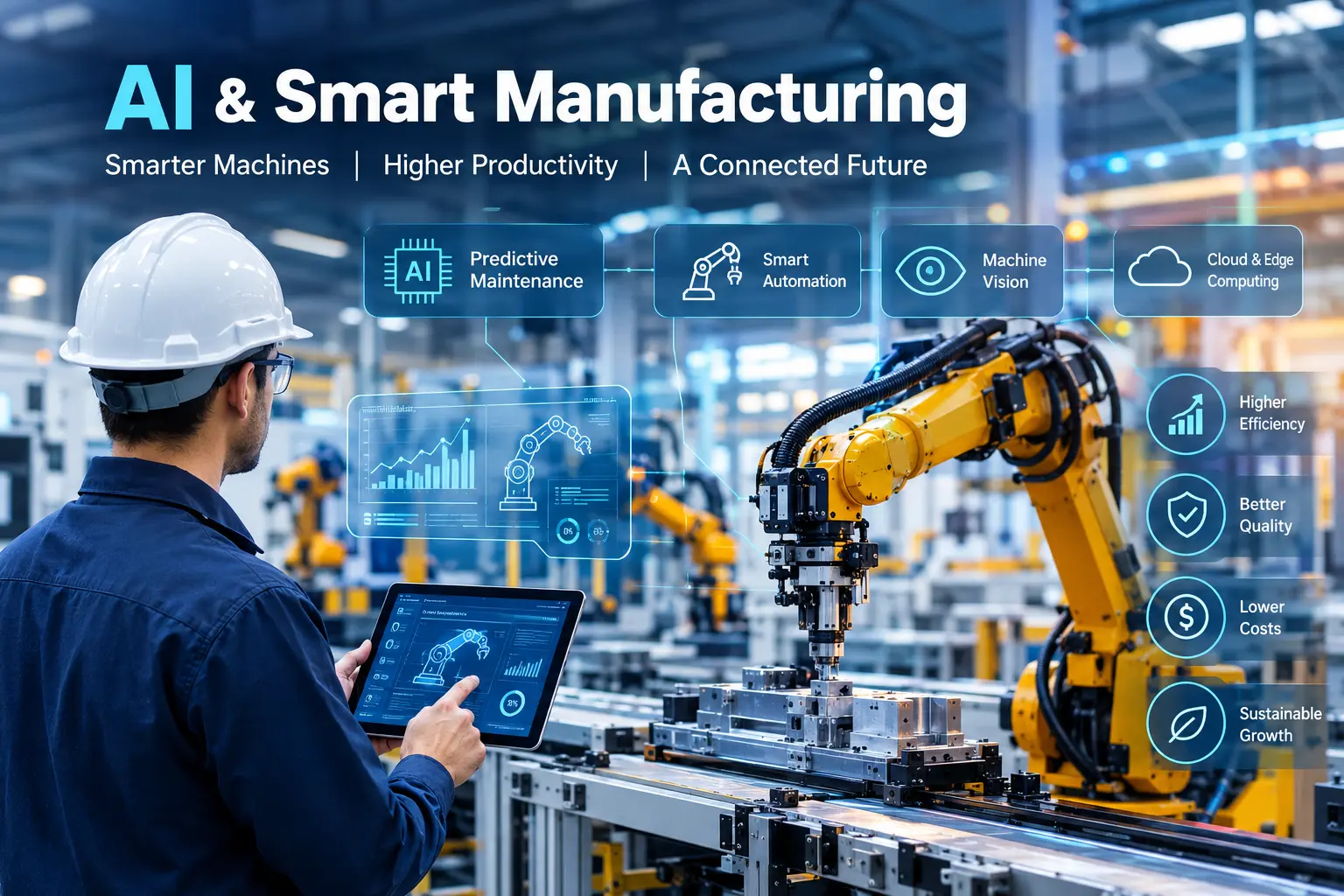
A CNC crash, where a tool or spindle collides with a fixture, the workpiece, or the machine itself due to a programming error, is one of the most expensive and entirely avoidable events in a machine shop, often destroying an expensive cutting tool, damaging costly machine components such as a spindle, and taking the machine out of production for repairs that can take days or weeks depending on parts availability. A CNC digital twin, a virtual replica of a specific machine that simulates the exact same program, tooling, and fixturing before anything touches the real machine, is one of the most direct and well proven ways to eliminate this specific category of costly, preventable failure.
Beyond crash prevention, digital twins for CNC machining offer manufacturers a way to verify, optimize, and even train on a program entirely in software before ever consuming real machine time, material, or cutting tools. This guide explains exactly how CNC digital twins work, the specific applications where they deliver the clearest cost savings, how they compare to traditional program verification methods, and practical guidance on implementation and realistic ROI.
What a CNC Digital Twin Actually Is
A CNC digital twin is a virtual model that replicates a specific physical machine's exact kinematics, working envelope, fixtures, tooling, and control system behavior closely enough that a program run in the simulation behaves the same way it would on the real machine. This is a meaningfully more sophisticated concept than basic toolpath visualization software that simply shows a generic representation of tool movement, since a genuine digital twin accounts for the specific machine's actual axis limits, fixture positions, tool holder geometry, and even the particular control system's exact interpretation of the program code, allowing it to catch machine specific collision risks and program errors that a generic simulation would miss entirely.
How CNC Digital Twins Actually Work
Building an accurate CNC digital twin starts with a precise three dimensional model of the specific machine, including its exact axis travel limits, spindle and tool holder geometry, and the physical position of any fixtures or workholding currently mounted in the machine. This virtual machine model is then paired with a simulation of the specific control system's post processor behavior, ensuring the digital twin interprets the actual program code exactly as the real machine's controller would, rather than a generic approximation that might miss controller specific quirks or behaviors. When a program is run through this digital twin, the simulation calculates the exact tool and machine component positions throughout the entire program, checking continuously for any collision between the tool, tool holder, spindle, fixtures, or machine structure, and can also calculate expected cycle time and material removal based on the same cutting parameters that would apply on the real machine.
Key Applications of CNC Digital Twins
Program Verification and Collision Detection
Running a new or modified program through a digital twin before ever loading it onto the physical machine catches the vast majority of collision risks, incorrect tool lengths, and other program errors that would otherwise only be discovered during an expensive and potentially damaging first real cut, or would require an overly cautious, time consuming manual dry run at reduced speed on the actual machine.
Cycle Time Optimization
Because a digital twin simulates the exact same cutting parameters and toolpaths that would run on the real machine, it can be used to compare alternative programming strategies and identify opportunities to reduce cycle time, such as optimizing tool change sequences or rapid movement paths, entirely in software before committing to a specific approach on the physical machine.
Virtual Tool Tryout
Evaluating whether a specific tool and holder combination will physically clear all fixtures and part features throughout an entire program can be verified virtually, avoiding the wasted machine time and potential tool damage that would result from discovering a clearance problem only partway through an actual physical cutting run.
Operator and Programmer Training
New programmers and operators can practice running and troubleshooting programs against a digital twin without any risk to real equipment, material, or tooling, accelerating the learning process considerably compared to training exclusively on live production equipment where mistakes carry real cost and downtime consequences.
Remote Troubleshooting and Program Review
A digital twin allows an experienced programmer or engineer, potentially working remotely or supporting multiple facilities, to review and troubleshoot a specific program's behavior on a particular machine's exact configuration without needing to be physically present at that machine, a capability that has become increasingly valuable as manufacturers manage equipment across multiple locations with limited specialized programming staff available at every individual site.
Traditional Verification vs Digital Twin Verification
| Aspect | Traditional Verification | Digital Twin Verification |
|---|---|---|
| Method | Manual dry run at reduced speed on real machine | Full speed simulation entirely in software |
| Machine Time Consumed | Significant, ties up real production equipment | None, runs independently of the physical machine |
| Collision Risk During Verification | Some risk remains even during a careful dry run | No physical risk, purely virtual |
| Accuracy of Cycle Time Estimate | Limited, reduced speed dry run does not reflect real timing | High, simulates actual cutting parameters and speeds |
| Ability to Test Multiple Strategies Quickly | Slow, each test consumes real machine time | Fast, multiple approaches can be tested rapidly in software |
How CNC Digital Twins Reduce Manufacturing Costs
The cost savings from CNC digital twin adoption accumulate across several distinct mechanisms rather than a single isolated benefit. Preventing crashes avoids the direct cost of damaged tooling and machine components, along with the often considerably larger cost of the resulting machine downtime while repairs are completed and any necessary replacement parts are sourced. Reducing or eliminating the need for cautious, reduced speed dry runs on the physical machine frees up real production time that would otherwise be consumed verifying a program rather than producing billable parts. Catching program errors before physical cutting begins prevents scrapped material and wasted cutting tool life that would otherwise result from running a flawed program against real stock. Cycle time optimization performed virtually, without consuming real machine time to test each alternative approach, allows shops to find genuinely more efficient programming strategies that reduce ongoing production cost across every future run of that specific job, compounding the initial time investment in optimization across the job's entire production lifetime.
Implementation Approaches for Adopting CNC Digital Twins
Manufacturers can adopt CNC digital twin capability through several different paths depending on their existing CAM software and machine tool brands. Many modern CAM software packages now include built in machine simulation modules capable of modeling a specific machine's kinematics and control system behavior, often the most straightforward path for shops already using compatible CAM software for their programming needs. Standalone digital twin and simulation software, designed to work across CAM packages and machine brands, offers more flexibility for shops with a mixed equipment fleet or those using CAM software without adequate built in simulation capability. Some machine tool builders also offer their own dedicated simulation software specifically modeled on their own equipment, which can provide particularly accurate control system behavior modeling for that specific brand, though this approach may require separate tools for shops operating equipment from multiple different manufacturers.
Building the Machine Model: What It Actually Takes
Creating an accurate digital twin for a specific machine requires assembling several pieces of information and data that many shops may not initially have readily organized. This includes the machine's exact three dimensional geometry, often available from the machine builder or through reverse engineering the actual physical machine, along with precise axis travel limits and any machine specific safety zones. The specific control system's post processor configuration needs to be accurately modeled to ensure the digital twin interprets program code exactly as the real controller would, a step that often benefits from either the machine builder's direct support or an experienced CAM reseller familiar with that specific control system. Current fixture and workholding configurations also need to be modeled and kept updated as they change, since an outdated fixture model in the digital twin could fail to catch a genuine collision risk introduced by a fixture change that has not yet been reflected in the virtual model.
ROI Considerations for CNC Digital Twin Investment
The ROI case for CNC digital twin software strengthens considerably for shops running complex, high value programs where a crash or scrap event carries significant cost, and for shops frequently running new or first time programs where the risk of an undiscovered error is naturally higher than on a well established, frequently repeated job. Shops running primarily simple, well established programs with a long, proven production history may see less incremental value from digital twin verification on that specific existing work, though the technology still offers meaningful benefit for any new program development going forward. Manufacturers should weigh the software licensing cost and the time investment required to build and maintain accurate machine models against their own specific mix of new versus repeat work and the typical cost of a crash or scrap event on their particular equipment and materials, since these factors vary considerably between shops and directly determine how quickly the investment pays for itself.
Industry Examples of CNC Digital Twin Adoption
Aerospace machine shops working with expensive titanium and other difficult to machine materials have been particularly aggressive adopters of digital twin verification, given how costly a single crash or scrapped part can be when the material itself represents a substantial portion of the job's total cost, well beyond the machining time and tooling involved. These shops often build extremely detailed digital twins for their most critical, highest value programs, treating the upfront modeling investment as clearly justified by the catastrophic cost of a single preventable error on an expensive titanium forging or casting. Job shops producing a high mix of varied, lower volume parts for different customers have found digital twins valuable specifically because so much of their work involves genuinely new programs without the extensive proven production history that a high volume manufacturer running the same part for months or years would have, making the risk of an undiscovered programming error proportionally higher across their more varied workload. Mold and die shops producing complex tooling with deep cavities and tight clearances between the cutting tool and surrounding fixture or part features rely heavily on digital twin collision detection specifically because the complex, tightly toleranced geometry involved in this kind of work creates numerous opportunities for a collision that a less detailed generic simulation might miss entirely.
Integrating Digital Twins Into a Broader Digital Manufacturing Strategy
CNC digital twins deliver their strongest long term value when integrated into a shop's broader programming and quality workflow rather than treated as a standalone verification step disconnected from everything else. Connecting digital twin verification directly into the CAM programming process, so that every new or modified program automatically passes through simulation before being released to the shop floor, ensures this protection is applied consistently rather than depending on individual programmers remembering to run a separate verification step. Some shops also connect digital twin cycle time estimates directly into their job quoting and scheduling systems, using the simulation's accurate timing predictions to improve the accuracy of customer quotes and production scheduling compared to relying on a programmer's manual estimate or historical averages from similar but not identical jobs. As shops build a library of accurate digital twin models across their equipment fleet, this virtual infrastructure also becomes valuable for broader capacity planning purposes, allowing engineers to evaluate whether a new job could be produced more efficiently on a different machine in the shop's fleet entirely in software before committing to a specific production plan.
Current Limitations to Understand
Manufacturers should approach CNC digital twin adoption with a clear understanding of its current limitations. Building and maintaining an accurate machine model requires ongoing diligence, since any change to fixtures, tooling, or even the machine's own configuration that is not reflected in the digital twin can reduce the simulation's accuracy and potentially allow an undetected collision risk to pass through virtual verification undetected. Simulation accuracy also depends on how precisely the digital twin models the specific machine and control system involved, meaning a poorly configured or generic simulation may provide less reliable protection than a carefully built, machine specific model. Manufacturers should treat digital twin verification as a significant risk reduction tool rather than an absolute guarantee, maintaining appropriate caution during a program's first actual physical run even after successful virtual verification, particularly for genuinely novel or unusually complex jobs.
Frequently Asked Questions
Is CNC digital twin software only useful for large manufacturers with complex machines?
No, shops of any size running programs where a crash or scrap event carries meaningful cost can benefit from digital twin verification, and many CAM software packages now include this capability as a built in feature accessible to smaller shops without requiring a separate significant software investment.
How accurate is a CNC digital twin compared to actually running the program on the real machine?
A well built digital twin, accurately modeling the specific machine's kinematics, control system, and current fixture configuration, can achieve very high accuracy for collision detection and reasonably accurate cycle time estimation, though manufacturers should still maintain some caution during a program's first actual physical run, particularly for genuinely novel jobs.
Does using a digital twin eliminate the need for any verification on the real machine?
Most manufacturers still perform some level of careful initial verification on the real machine even after successful digital twin simulation, though this can often be done with less extreme caution and at higher speed than would be prudent without prior virtual verification, since the digital twin has already caught the most likely sources of error.
How much time does it typically take to build an accurate digital twin model for a specific machine?
Initial setup time varies depending on whether the machine builder or CAM software vendor provides a pre built machine model, which can significantly reduce setup time, versus needing to build the model from scratch, which requires more detailed measurement and configuration work before the digital twin can be considered reliably accurate.
Can a digital twin be used to optimize an existing, already running production program?
Yes, digital twins are often used specifically to test alternative programming strategies against an existing job's requirements, allowing a shop to identify cycle time reduction opportunities entirely in software before committing the changes to the actual production program running on the physical machine.
Final Thoughts
CNC digital twins offer manufacturers a way to catch the kind of expensive, entirely preventable mistakes, such as programming errors leading to a costly crash, before they ever have a chance to damage real tooling, machines, or material. Beyond crash prevention, the ability to optimize cycle time, evaluate tooling strategies, and train staff entirely in a virtual environment delivers compounding value well beyond the initial software investment. Manufacturers running complex or frequently changing work stand to gain the most from this technology, and those who invest the effort to build genuinely accurate, well maintained machine models consistently see the strongest reduction in costly crashes, scrap, and wasted machine verification time.