If you are looking for a simple, safe and completely free way to enjoy movies and series on your cell phone, tablet or TV, Tubi – Free Movies and Series stands out as one of the best options available in 2026. With an impressive collection, a clean interface, and support for Portuguese subtitles, the app offers access to thousands of titles free of charge. And best of all, it's available for direct download from the official stores:

Tubi: Free Movies & Live TV
Hybrid CNC Manufacturing: Combining Additive and Subtractive Manufacturing
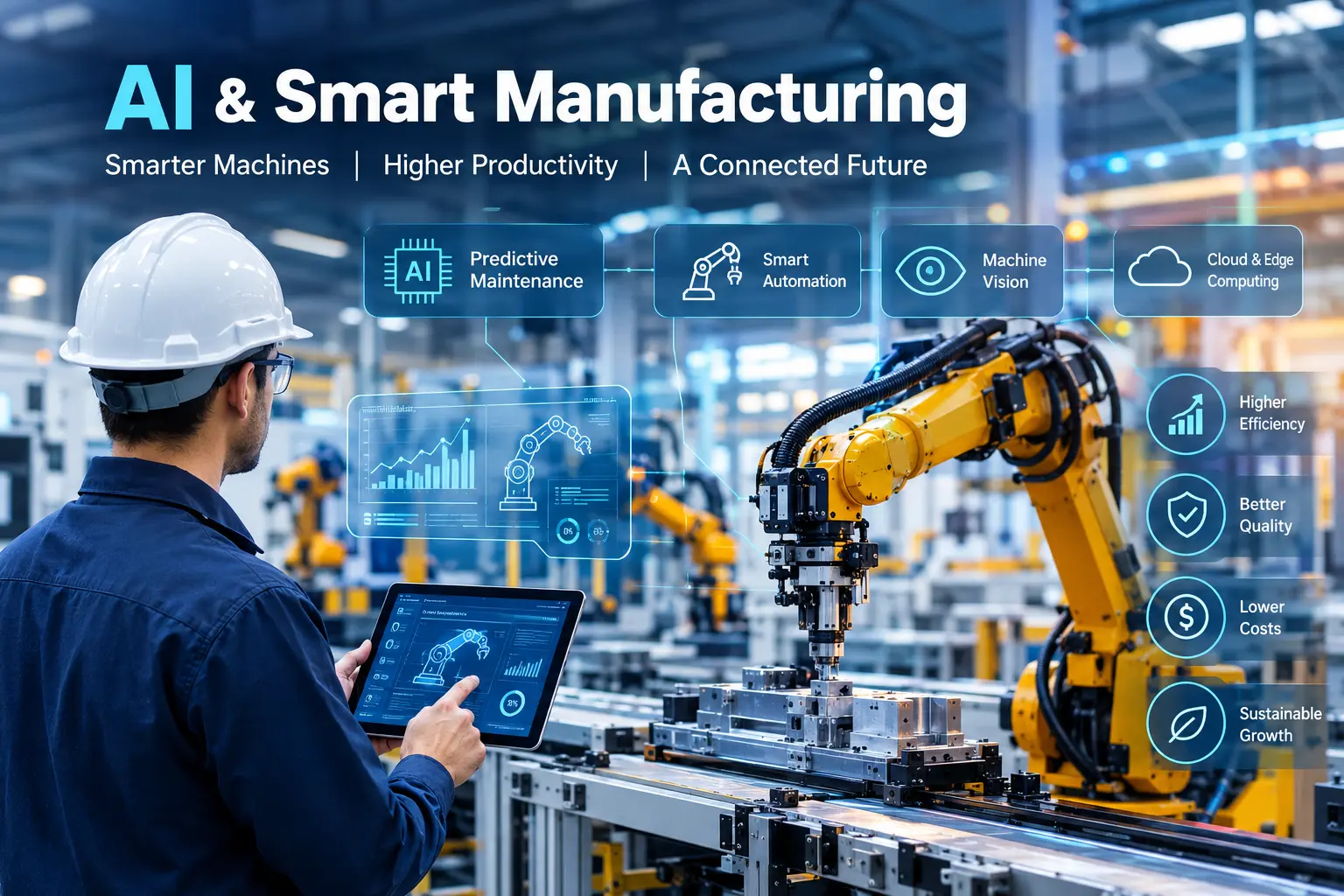
Additive manufacturing and CNC machining have historically been treated as competing approaches, each with a clear set of strengths and weaknesses that pushed manufacturers to choose one or the other for a given part. Additive manufacturing excels at producing complex internal geometries and building up material only where it is actually needed, while CNC machining excels at achieving tight tolerances and fine surface finishes on precision features. Hybrid manufacturing combines both processes, often within a single machine and setup, using additive deposition to build up material and CNC machining to finish critical surfaces to final tolerance, capturing the strengths of each approach rather than forcing a compromise between them.
This approach has moved from a research curiosity into genuine production use for specific high value applications, particularly the repair of expensive worn or damaged components and the production of complex parts requiring both intricate internal features and precisely machined external surfaces. This guide explains exactly how hybrid manufacturing works, the specific applications where it delivers clear advantages over pure additive or pure subtractive approaches alone, and practical guidance on cost, ROI, and current limitations manufacturers should understand before investing in this technology.
What Hybrid Manufacturing Actually Means
Hybrid manufacturing refers to combining additive material deposition and CNC subtractive machining within a single manufacturing process, often but not always within a single machine capable of performing both operations without moving the part between separate pieces of equipment. In a typical hybrid workflow, material is deposited in a near net shape, meaning close to but not exactly the final part geometry, using an additive process, after which CNC machining removes material precisely from specific surfaces to achieve the tight tolerances, fine surface finish, or precise features that the additive process alone could not reliably deliver. This combination allows manufacturers to gain the material efficiency and geometric freedom of additive manufacturing for the bulk of a part's structure, while still achieving the precision that certain critical features or mating surfaces require.
The Additive Technologies Typically Paired With CNC Machining
Directed Energy Deposition
Directed energy deposition uses a focused energy source, typically a laser or electron beam, to melt metal powder or wire feedstock as it is deposited, building up material layer by layer directly onto a build plate or an existing part. This technology is particularly well suited to hybrid applications because it can deposit relatively large volumes of material quickly compared to some other additive processes, and can deposit material directly onto an existing component for repair applications rather than only building an entirely new part from scratch.
Wire Arc Additive Manufacturing
Using a welding style arc to melt and deposit metal wire feedstock, wire arc additive manufacturing offers a lower cost feedstock option and generally faster deposition rates than powder based processes, making it well suited to building up larger, less geometrically intricate structures that will subsequently be machined to their final precise dimensions.
Laser Cladding
Often used specifically for repair and surface enhancement applications, laser cladding deposits a thin layer of material, sometimes a different, more wear resistant alloy than the base part, onto an existing component's surface, which can then be machined to blend seamlessly with the surrounding original geometry.
Key Benefits of Hybrid Manufacturing
Reduced Material Waste
Building a part in near net shape through additive deposition, rather than machining it entirely from a solid block of raw material, dramatically reduces the amount of expensive material that ends up as waste chips and scrap, a particularly significant benefit for expensive alloys such as titanium where the cost difference between the finished part weight and the raw starting material can be substantial.
Reduced Machining Time
Since the additive process builds the part close to its final shape before machining begins, considerably less material needs to be removed by the subtractive process compared to starting from solid raw stock, reducing overall machining time and the associated tool wear that extensive material removal would otherwise require.
Single Setup Precision
Performing both the additive build and the finishing machining operations within a single machine and setup avoids the accuracy loss that can occur when a part is moved between separate additive and subtractive equipment, since each transfer and re fixturing operation introduces an opportunity for positioning error that a single continuous setup avoids entirely.
Repair and Remanufacturing Capability
Hybrid manufacturing enables adding material directly to a worn, damaged, or incorrectly machined existing part and then machining that added material to restore the part to its original or an improved specification, offering a genuinely valuable repair path for expensive components that would otherwise need to be scrapped and replaced entirely.
Complex Internal and Precise External Geometry Together
Parts requiring both intricate internal features, such as cooling channels or lattice structures that only additive manufacturing can practically produce, alongside precisely machined external mating surfaces or critical dimensions, can be produced as a single integrated part through hybrid manufacturing rather than requiring a compromise or a more complex multi part assembly.
Comparing Pure Additive, Pure Subtractive, and Hybrid Approaches
| Factor | Pure Additive | Pure Subtractive | Hybrid |
|---|---|---|---|
| Material Waste | Low | High, especially for expensive alloys | Low to moderate |
| Achievable Surface Finish and Tolerance | Generally limited without post processing | Excellent | Excellent on machined surfaces |
| Complex Internal Geometry | Excellent | Very limited | Excellent |
| Repair of Existing Parts | Limited without hybrid capability | Not applicable for adding material | Well suited |
| Production Speed for Simple Parts | Often slower | Fast for simple geometry | Depends on specific part complexity |
| Equipment Cost | Moderate to high | Lower for standard machines | Highest, combines both capabilities |
Applications Where Hybrid Manufacturing Delivers Clear Advantages
Repair and remanufacturing of high value components represents one of the clearest and most economically compelling hybrid manufacturing applications, since restoring an expensive worn or damaged part such as a turbine blade or large industrial tooling component to service typically costs considerably less than replacing it entirely with a newly manufactured part. Complex parts combining internal cooling channels or lattice structures with precisely machined external mating surfaces, common in aerospace and high performance tooling applications, benefit from hybrid manufacturing's ability to produce both feature types within a single integrated part rather than requiring compromise or a more complex multi component assembly. Tooling with conformal cooling channels, internal channels that follow the exact contour of a mold cavity rather than the straight drilled channels traditional machining alone can produce, represents another strong hybrid application, since additive deposition can build the tool with these complex internal channels while machining finishes the critical cavity surfaces to the precise tolerance injection molding requires. Low volume, highly complex metal parts where the tooling cost of alternative manufacturing methods such as casting would be difficult to justify also frequently favor hybrid manufacturing, since it avoids the upfront tooling investment casting would require while still achieving better material efficiency than machining the same complex part entirely from solid stock.
Cost and ROI Considerations
Hybrid manufacturing equipment represents a significant capital investment, generally exceeding the cost of either a comparable pure additive or pure subtractive machine alone, given the added complexity of integrating both capabilities within a single system. The ROI case strengthens considerably for applications involving expensive materials where reduced waste delivers meaningful direct savings, components too complex or costly to produce practically through any single manufacturing method alone, and repair applications where restoring an existing expensive part avoids the cost of a complete replacement. Manufacturers should evaluate hybrid manufacturing investment against their own specific part portfolio, material costs, and repair versus replacement economics, since the technology's strongest value proposition depends heavily on having a genuine, ongoing need for the specific combination of capabilities it offers rather than treating it as a generically superior manufacturing approach for all types of work.
Current Challenges and Limitations
Despite genuine and growing production use, manufacturers should approach hybrid manufacturing with realistic expectations about its current limitations. Equipment cost remains considerably higher than either standalone additive or subtractive machines, meaning the technology only makes financial sense for manufacturers with a genuine, sufficient volume of applications that specifically benefit from the hybrid combination rather than being adequately served by either process alone. Process complexity is also meaningfully higher than either pure additive or pure subtractive manufacturing individually, since successfully combining the two requires expertise in both domains along with an understanding of how the thermal and material properties introduced during additive deposition affect the subsequent machining operation. Material options remain more limited than either pure additive or pure subtractive processes offer individually, since not every material combination or alloy is well suited to both the additive deposition process and the finish machining operation, constraining the range of applications where hybrid manufacturing is currently a practical choice. Qualification and certification for critical applications, particularly in industries such as aerospace with strict regulatory requirements, can also be more involved for hybrid manufactured parts given the combination of processes involved, sometimes requiring more extensive validation than a part produced through a single, more established manufacturing method alone.
How to Evaluate Whether Hybrid Manufacturing Fits a Specific Part
Manufacturers considering hybrid manufacturing for a specific part or application should work through a few practical questions before committing to the investment. The first question is whether the part genuinely requires a combination of complex internal geometry and precisely machined critical surfaces, since a part that could be adequately produced through either pure additive manufacturing with acceptable post processing or pure machining from stock does not need the added cost and complexity of a hybrid approach. The second question concerns material cost and waste, since parts made from expensive alloys where machining from solid stock would remove and waste a large proportion of the starting material represent a much stronger case for hybrid manufacturing's material efficiency advantage than parts made from inexpensive, readily available material. The third consideration is production volume, since hybrid manufacturing's higher equipment cost and more complex process generally makes more sense amortized across an ongoing volume of suitable applications rather than justified by a single one off part, though the economics can shift favorably for even a single very high value repair application where the alternative is scrapping an expensive component entirely. Finally, manufacturers should honestly assess whether they have or can develop the combined additive and subtractive process expertise the technology requires, since successfully hybrid manufacturing a part depends on understanding both domains well enough to manage how the thermal and material effects of additive deposition interact with the subsequent machining operation.
The Growing Role of Simulation in Hybrid Manufacturing
Given the process complexity involved in combining additive deposition and subtractive machining, simulation software has become an increasingly important tool for manufacturers adopting hybrid manufacturing, allowing engineers to model both the additive build sequence and the subsequent machining operations virtually before committing expensive material and machine time to a physical attempt. This simulation capability helps predict and manage the thermal distortion that can occur during additive deposition, which if left unaccounted for could result in a part that does not have sufficient material in the right locations once machining begins, wasting the additive deposition effort and requiring a costly rebuild. Simulation also helps optimize the sequencing between additive and subtractive operations for parts requiring multiple alternating passes of each process, identifying the most efficient order of operations before committing to a specific production plan on the physical hybrid machine. As hybrid manufacturing simulation tools continue to mature, they are becoming an increasingly essential companion technology that manufacturers should evaluate alongside the hybrid manufacturing equipment itself, since attempting complex hybrid parts without this simulation capability considerably increases the risk of costly trial and error during the physical production process.
Industry Examples of Hybrid Manufacturing in Practice
Aerospace maintenance and repair operations have been among the most prominent adopters of hybrid manufacturing specifically for restoring worn turbine blades and other expensive engine components, using directed energy deposition to rebuild worn areas before machining the repaired surfaces back to precise original specification, a process that can meaningfully extend the service life of components that would otherwise require complete and costly replacement. Oil and gas equipment manufacturers use hybrid manufacturing to repair and rebuild large, expensive components such as pump housings and valve bodies that experience wear or damage in demanding field service conditions, avoiding the considerable cost and lead time of manufacturing an entirely new replacement component from scratch. Injection mold tooling manufacturers increasingly use hybrid manufacturing to produce molds with conformal cooling channels that improve cycle time and part quality in the injection molding process, building the complex internal channel geometry through additive deposition before machining the critical cavity surfaces to the precise tolerance and surface finish injection molding requires.
Frequently Asked Questions
Is hybrid manufacturing only useful for repair applications?
No, while repair and remanufacturing represent one of the clearest and most economically compelling applications, hybrid manufacturing also delivers genuine value for producing new parts combining complex internal geometry with precisely machined external features, applications that neither pure additive nor pure subtractive manufacturing alone can efficiently achieve.
How does hybrid manufacturing compare in cost to simply machining a part from solid stock?
For parts made from expensive materials or requiring complex geometry that would waste significant material if machined entirely from solid stock, hybrid manufacturing can reduce overall cost through material savings and reduced machining time, though for simple parts made from inexpensive materials, traditional machining from stock may remain the more cost effective and straightforward choice.
What industries are adopting hybrid manufacturing most quickly?
Aerospace, particularly for high value component repair, along with oil and gas equipment manufacturing and precision tooling production, have been among the fastest and most consistent adopters, given the combination of expensive materials, complex geometry requirements, and strong repair versus replace economics common in these industries.
Does a part made through hybrid manufacturing require different quality inspection than a traditionally machined part?
Yes, hybrid manufactured parts typically require inspection methods capable of verifying both the additive deposition's internal material integrity and the machined surfaces' dimensional accuracy, often involving a combination of techniques beyond what a purely machined part from solid stock would typically require.
Is hybrid manufacturing equipment practical for a small or mid size manufacturer?
Given the significant equipment cost and specialized expertise required, hybrid manufacturing currently tends to be most practical for manufacturers with a genuine, sufficient volume of applications specifically suited to the technology, such as specialized repair service providers or manufacturers of complex, high value components, rather than a general purpose investment for manufacturers without a clear, specific use case already identified.
Final Thoughts
Hybrid manufacturing captures genuine advantages from both additive and subtractive manufacturing that neither process delivers as effectively alone, particularly for repairing expensive worn components and producing parts combining complex internal geometry with precisely machined critical surfaces. The technology's significant equipment cost and process complexity mean it currently makes the most sense for manufacturers with a clear, sufficient volume of applications genuinely suited to this specific combination of capabilities, rather than as a broadly applicable replacement for either traditional machining or additive manufacturing used independently. Manufacturers evaluating this technology should focus on their own specific repair needs and part complexity requirements to determine whether hybrid manufacturing's particular strengths align with genuine, ongoing production needs.